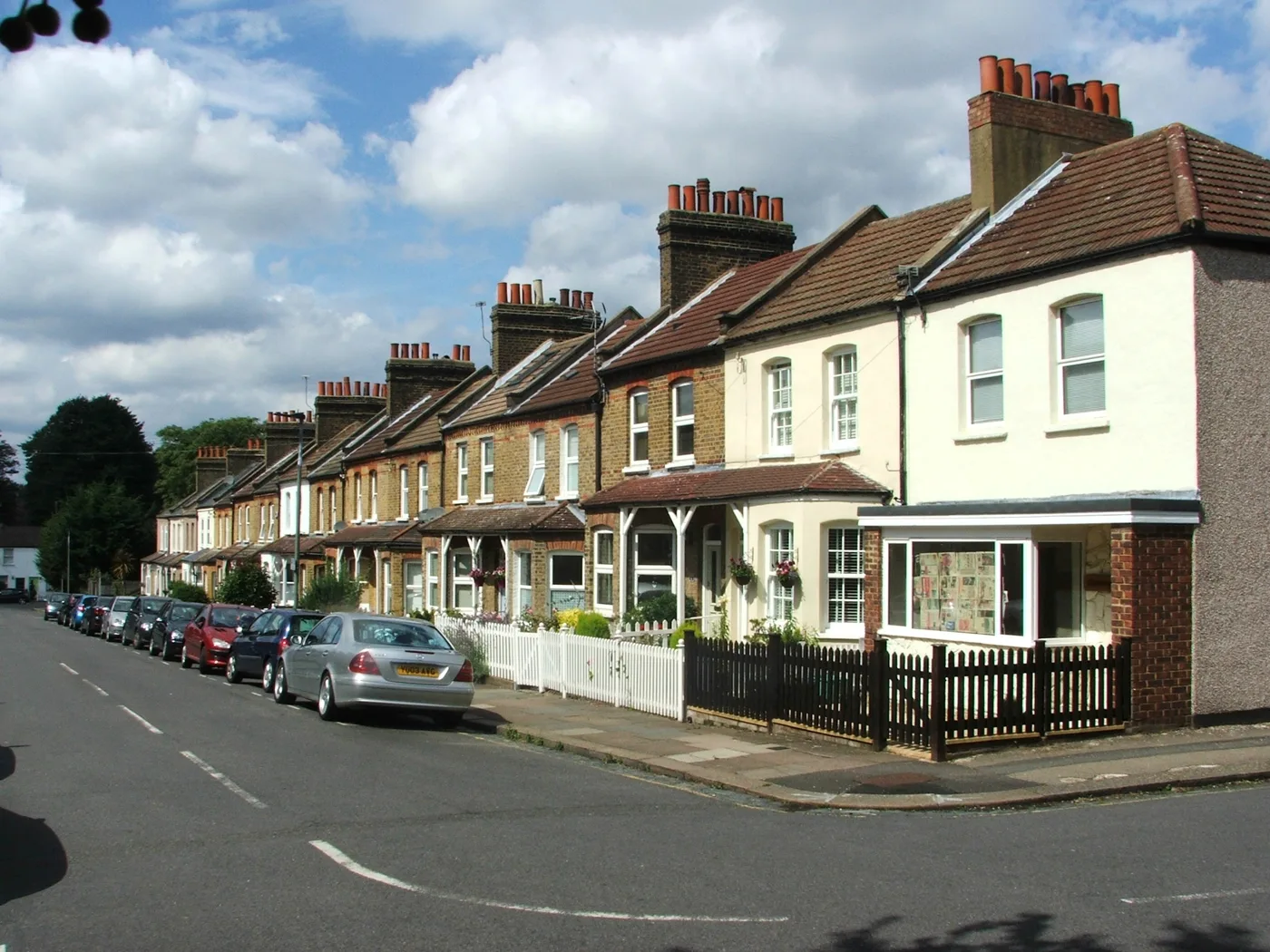

Bromley Council's register gives 23 September as the decision date for the Bowie childhood home, and logs a committee call-in only 1 in 87 get.
Bromley Council has until 23 September to decide whether David Bowie’s childhood home can become a museum. That is the scheduled decision date recorded against the application in the council’s own planning register.
The register also logs something the announcements have not mentioned. Against application 26/02597/FPA it records a called-in date for committee of 17 August 2026. A call-in takes a decision away from council officers and hands it to councillors sitting as a committee. It is rare: of the 2,000 most recent entries in Bromley’s register, 23 carry a call-in date, about one in 87.
The register still lists the determination level for this application as “Delegated Decision”, so the route to a decision is not settled in the record itself.
What the application actually asks for
The applicant is the Heritage of London Trust, working through the planning agent DP9 Limited. The site is 4 Plaistow Grove, BR1 3PB, in Plaistow ward. The council’s register describes the proposal as:
Change of use from residential dwelling (C3) to memorial house (Class F1) comprising the partial demolition of the modern rear extension, alterations to the front and rear elevations, new visitor pavilion in the rear garden, and associated works.
Two details there matter more than the headlines suggest.
- “Memorial house (Class F1)” is a change of planning use class. Class F.1 in the Town and Country Planning (Use Classes) Order 1987 is “learning and non-residential institutions”, and it opens with the words “Any use not including residential use”. It covers use as a museum, for the display of works of art, and as a public hall or exhibition hall. In planning terms the house stops being a home.
- A “new visitor pavilion in the rear garden” is a new building, not a conversion. It is the part of the scheme neighbours would live next to.
The dates on the file
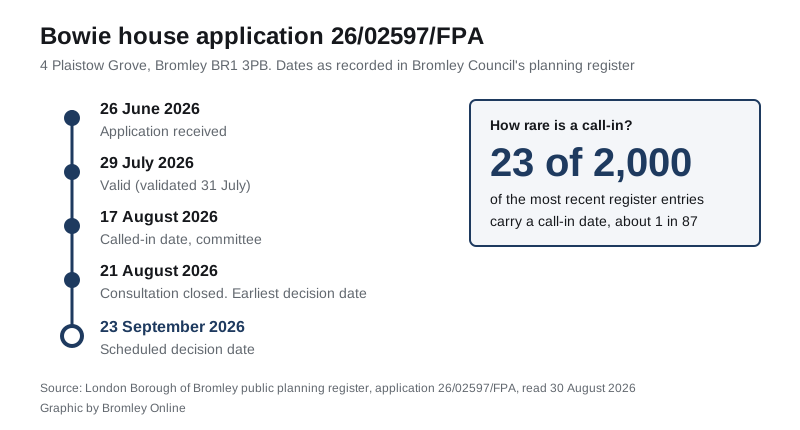
| Stage | Date |
|---|---|
| Application received | 26 June 2026 |
| Valid | 29 July 2026 |
| Validated | 31 July 2026 |
| Consultation deadline | 21 August 2026 |
| Earliest decision date | 21 August 2026 |
| Called-in date, committee | 17 August 2026 |
| Scheduled decision date | 23 September 2026 |
The public consultation closed on 21 August. Bromley’s planning register does not publish a running tally of comments to the public, so this site cannot verify how many objections or letters of support were submitted, and we are not repeating figures we have not seen on the file.
The application status is recorded as “Valid” and it is classed as full planning permission, in the council’s “Change of Use (Q20)” category.
What the Trust says it is building
The Heritage of London Trust bought the house. It is London’s independent heritage charity, set up in 1980 by the Greater London Council, registered charity number 280272, and it says plans are underway “to restore it to its 1960s appearance during David’s early years, and open it to the public in 2027”.
The project’s own site, bowieshouse.org, puts the campaign at £1.2m, of which £500,000 has been received, leaving £700,000 to raise. It names Michael and Isobel Holland, who bought the property, and the Jones Day Foundation as lead donor. It describes the aim as opening “to the public in late 2027” and the house as “a living, creative space, part museum, part performance, part memory”.
The announcement on David Bowie’s official site in January carried the same completion date and the £500,000 grant from the Jones Day Foundation.
The Trust calls the house “the family home of David Robert Jones”, the name Bowie was born with, and “the modest south London terrace where the boy became David Bowie”.
What it means for you
If you commented, your comment still counts. The consultation deadline of 21 August is the point after which the council is free to decide, not a shredder. Representations already made are on the file and the case officer has to take them into account.
If you have not commented, do it now rather than in three weeks. There is no legal bar on a council accepting a late comment before it decides, but there is no obligation either. With a scheduled decision date of 23 September, the window is short.
Watch for a committee date. If the call-in holds, the application will be listed for a plans sub-committee, the officer’s report will be published in the agenda papers ahead of the meeting, and members of the public can normally register to speak. That report is where the recommendation, the consultation responses and the planning reasons all appear in one place. It is the single most useful document in any planning row, and it is published before the decision, not after.
Objections have to be about planning. Parking and traffic, noise, hours of use, the size and appearance of a new building in a small back garden, and the effect on neighbours’ light and privacy are planning matters. Who owns the house, how famous the former resident was, and whether you like the idea are not.
You can look up the application yourself on Bromley’s planning register by searching the reference 26/02597/FPA. We also keep a plain-English explainer of how Bromley planning applications work.
Correction and update policy
The figures in this article come from the London Borough of Bromley’s public planning register, read on 30 August 2026, and from the applicant’s own published material. If the council publishes a committee date or a decision, we will update this page and date the change.
Have your say